


Our greatest potential lies beyond the limits of our own imagination and what we believe is possible.
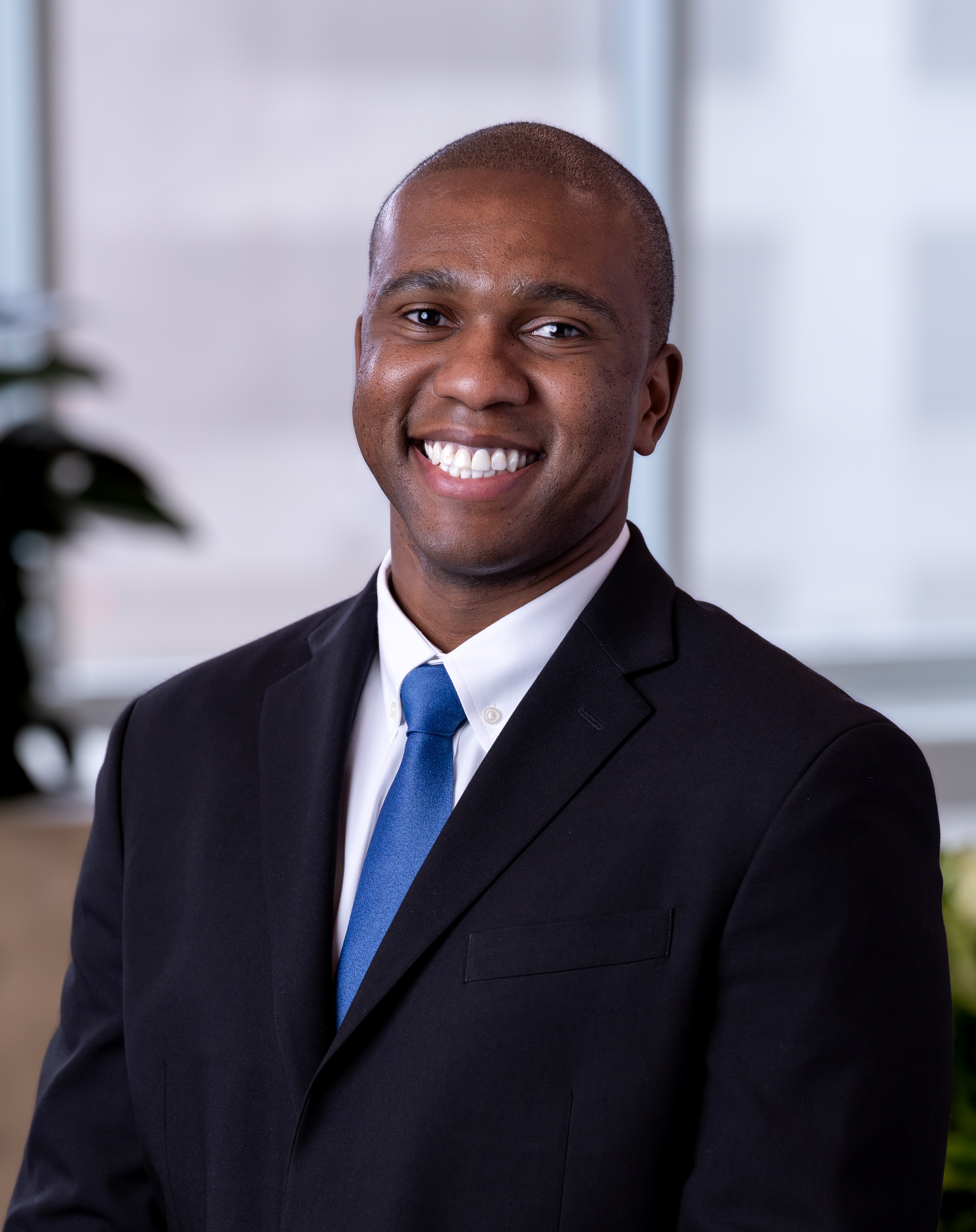
Welcome to Deeply Optimistic Ventures. My name is Dr. Geqigula (GQ) Dlamini. I’m a public-sector executive, strategist, researcher, and keynote speaker working on the connective problems that determine whether people and institutions can turn ambitious ideas into durable impact.
Deeply Optimistic is home to some of my projects. Across the portfolio, you may notice that I value optimism, leadership, innovation, and impact.
Project Portfolio
-
![]()
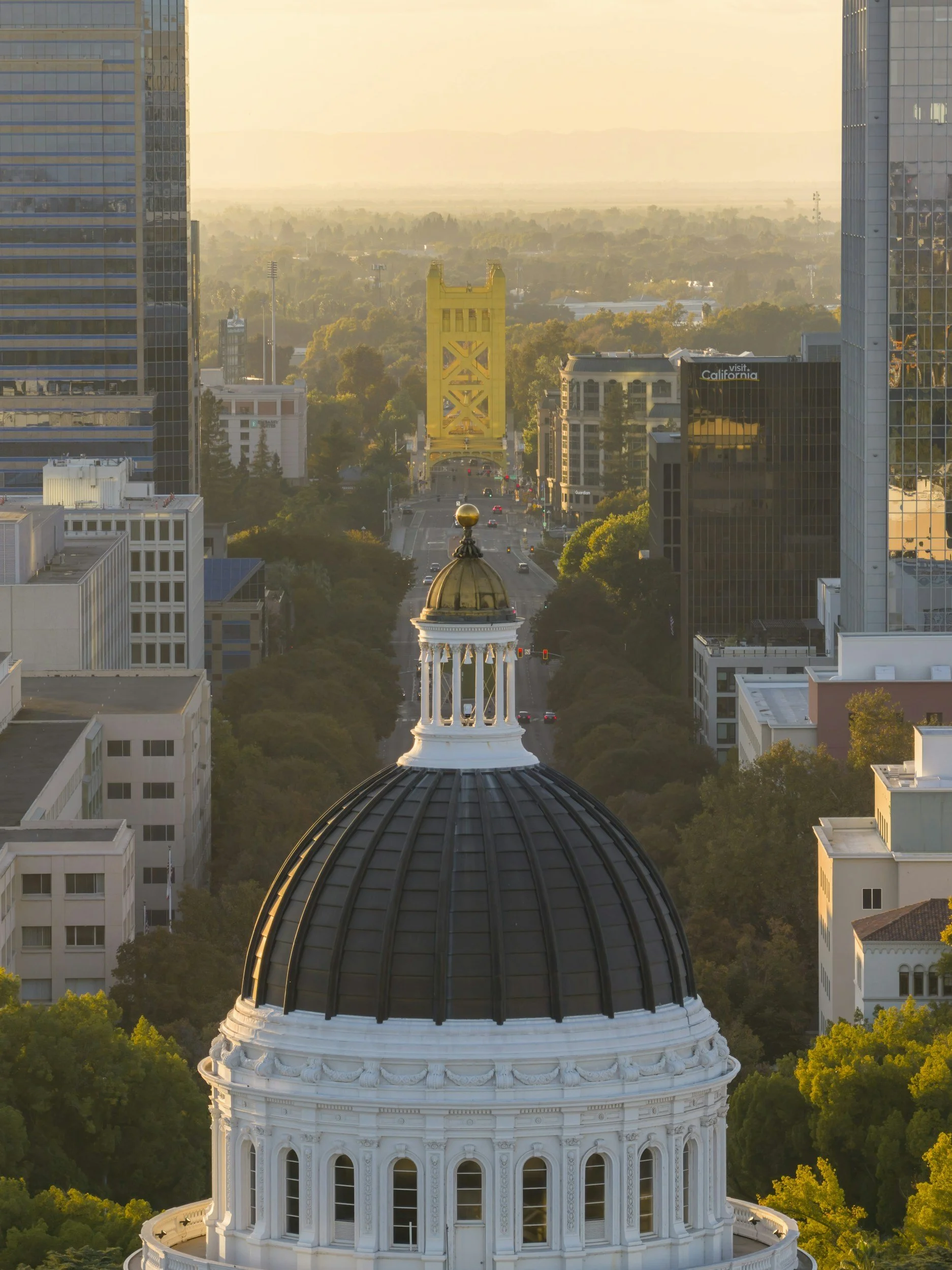
Transforming California State Government Through Research
-
![]()
2x Changemakers Series Presentation on Generative AI

Real Impact and Transformation.
I led the first documented participatory action research study that combined empowerment theory with the adoption of generative AI among U.S. state government employees.
My research showed that when workers become co-researchers, not just end-users, AI adoption transforms from compliance to championship.
Project SETHEMBA, meaning ‘hope’ in Ndebele, focuses on individual and organizational empowerment, as well as strategic planning and development. The aim is to bridge the gap between aspiration and impact through effective resource management, strategic planning, and organizational development.
Innovation.
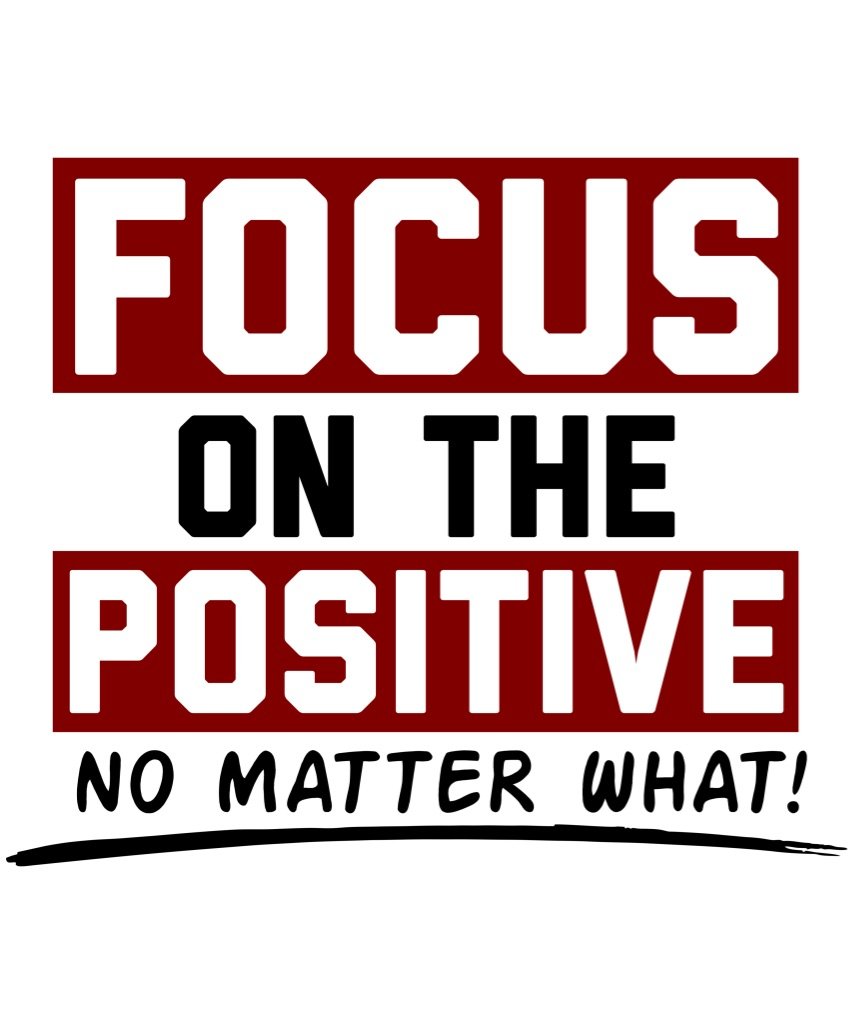
Focus on the Positive
Started in 2018, Focus on the Positive illuminates the transformative power of positivity and inspires an optimistic outlook on life.
Featured Products

Classic Unisex Hoodie
from $39.95
Every day, we get dressed and go about our day. But, what if the shirt you put on today created positive moments for yourself and others? What if the shirt you put on today made people, smile, nod, and say thank you? What if the hoodie you put on today made someone's else and helped inspire them into a more positive space?
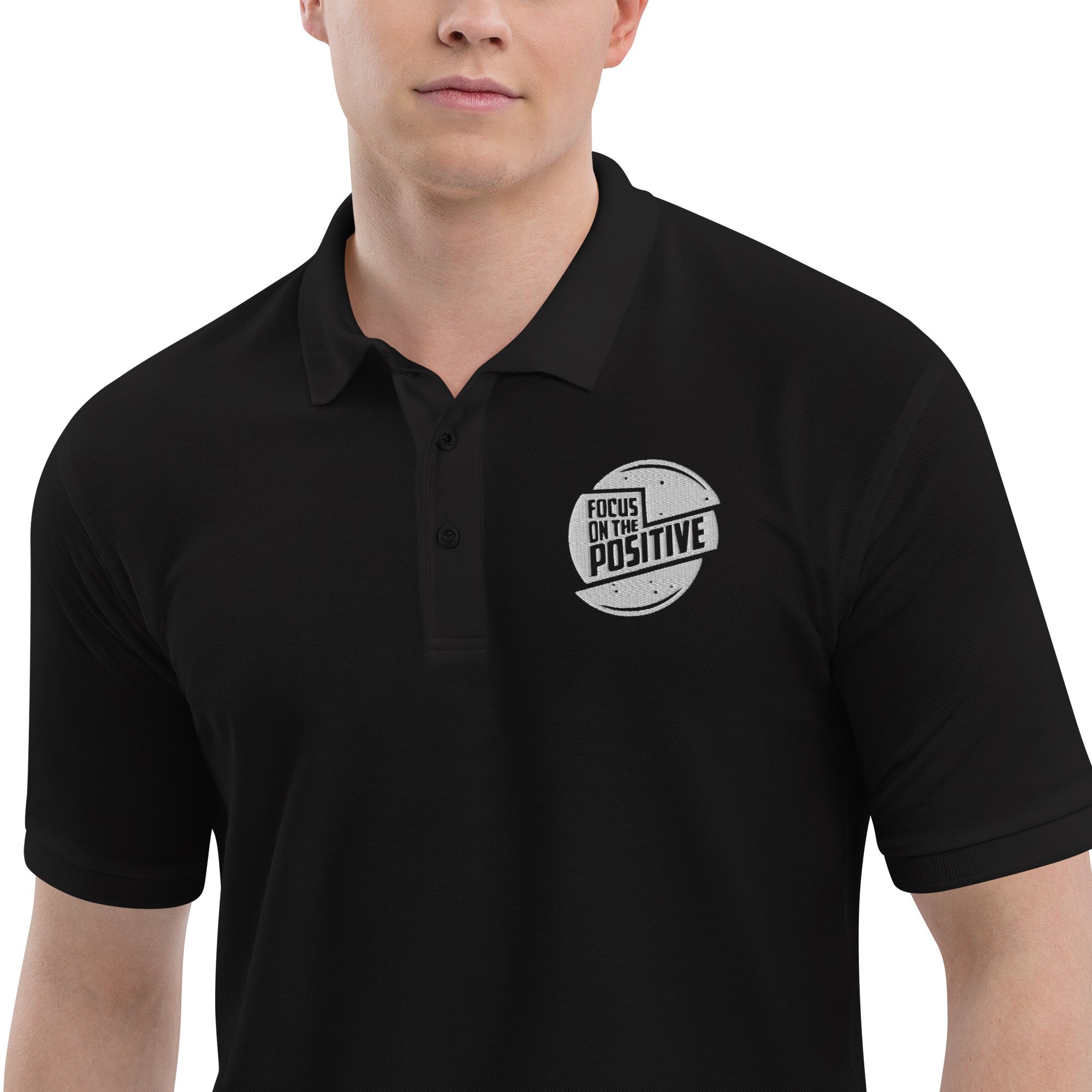


Focus On The Positive (White)
from $34.95
A classic piece that never goes out of style, this Port Authority embroidered polo has it all—relaxed fit, silky fabric, and a comfortable length. Get one for yourself and watch how it becomes a true outfit game-changer in your wardrobe.
• 65% polyester, 35% cotton pique
• Fabric weight: 5.0 oz/yd² (169.5 g/m²)
• Relaxed fit that runs large
• Flat knit collar and cuffs
• Metal buttons with dyed-to-match plastic rims
• Side vents for breathability
• Blank product sourced from Ethiopia
This product is made especially for you as soon as you place an order, which is why it takes us a bit longer to deliver it to you. Making products on demand instead of in bulk helps reduce overproduction, so thank you for making thoughtful purchasing decisions!
• 65% polyester, 35% cotton pique
• Fabric weight: 5.0 oz/yd² (169.5 g/m²)
• Relaxed fit that runs large
• Flat knit collar and cuffs
• Metal buttons with dyed-to-match plastic rims
• Side vents for breathability
• Blank product sourced from Ethiopia
This product is made especially for you as soon as you place an order, which is why it takes us a bit longer to deliver it to you. Making products on demand instead of in bulk helps reduce overproduction, so thank you for making thoughtful purchasing decisions!


Focus On The Positive No Matter What! (Red)
from $24.95
Every day, we get dressed and go about our day. But, what if the shirt you put on today created positive moments for yourself and others? What if the shirt you put on today made people smile, nod, and say thank you? What if the shirt you put on today made someone else's and helped inspire them into a more positive space?